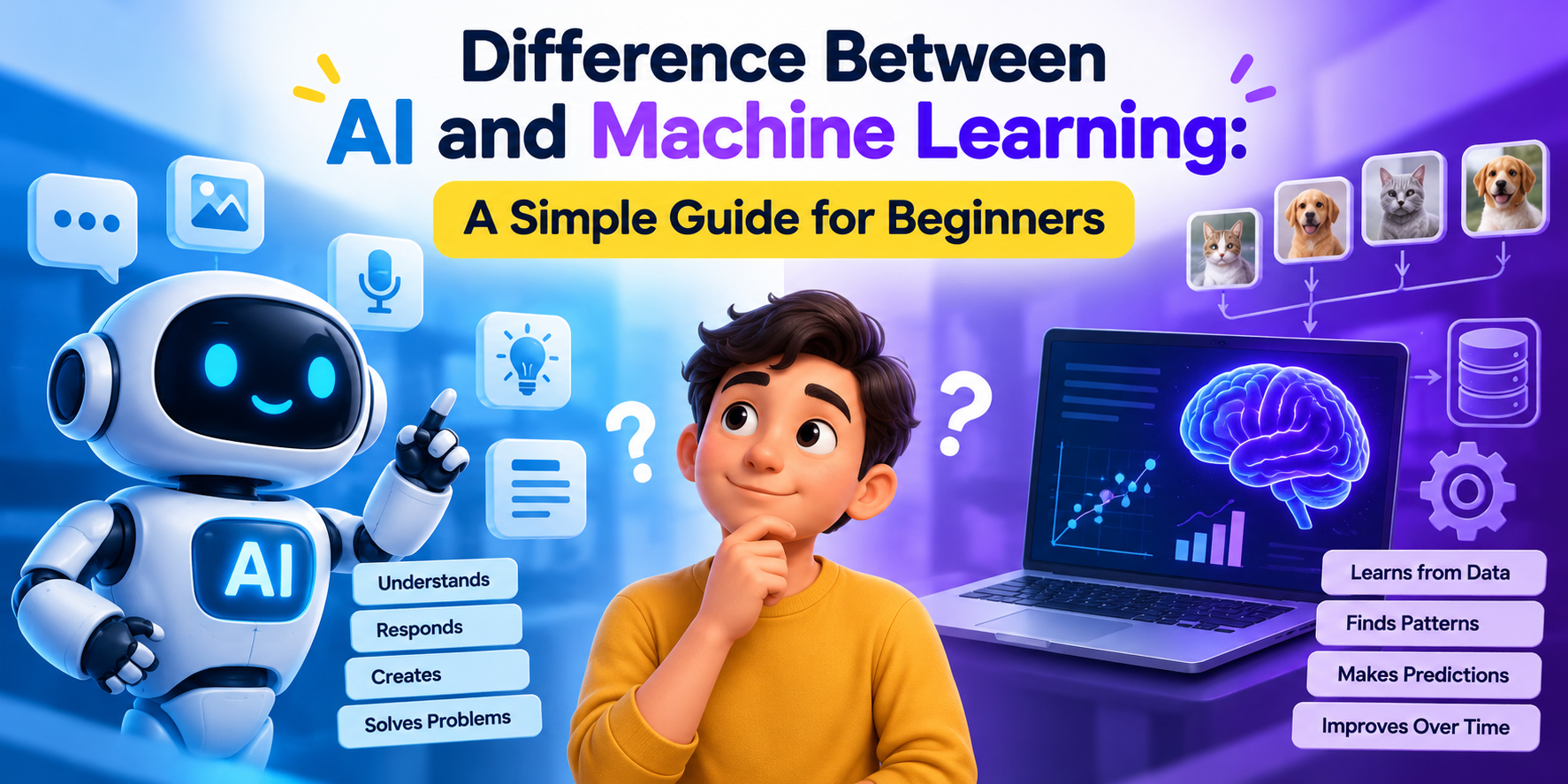
Difference Between AI and Machine Learning: A Simple Guide for Beginners
Understand the difference between AI and Machine Learning with simple examples. Explore how AI, ML and Generative AI are changing creative industries.
Read Article
Reliance Animation Academy Ludhiana provides professional training in Animation, VFX, Graphic Designing, Video Editing, and Web Development with industry-level practical learning.
Mon-Fri from 9am to 6pm
We typically reply within 24 hours


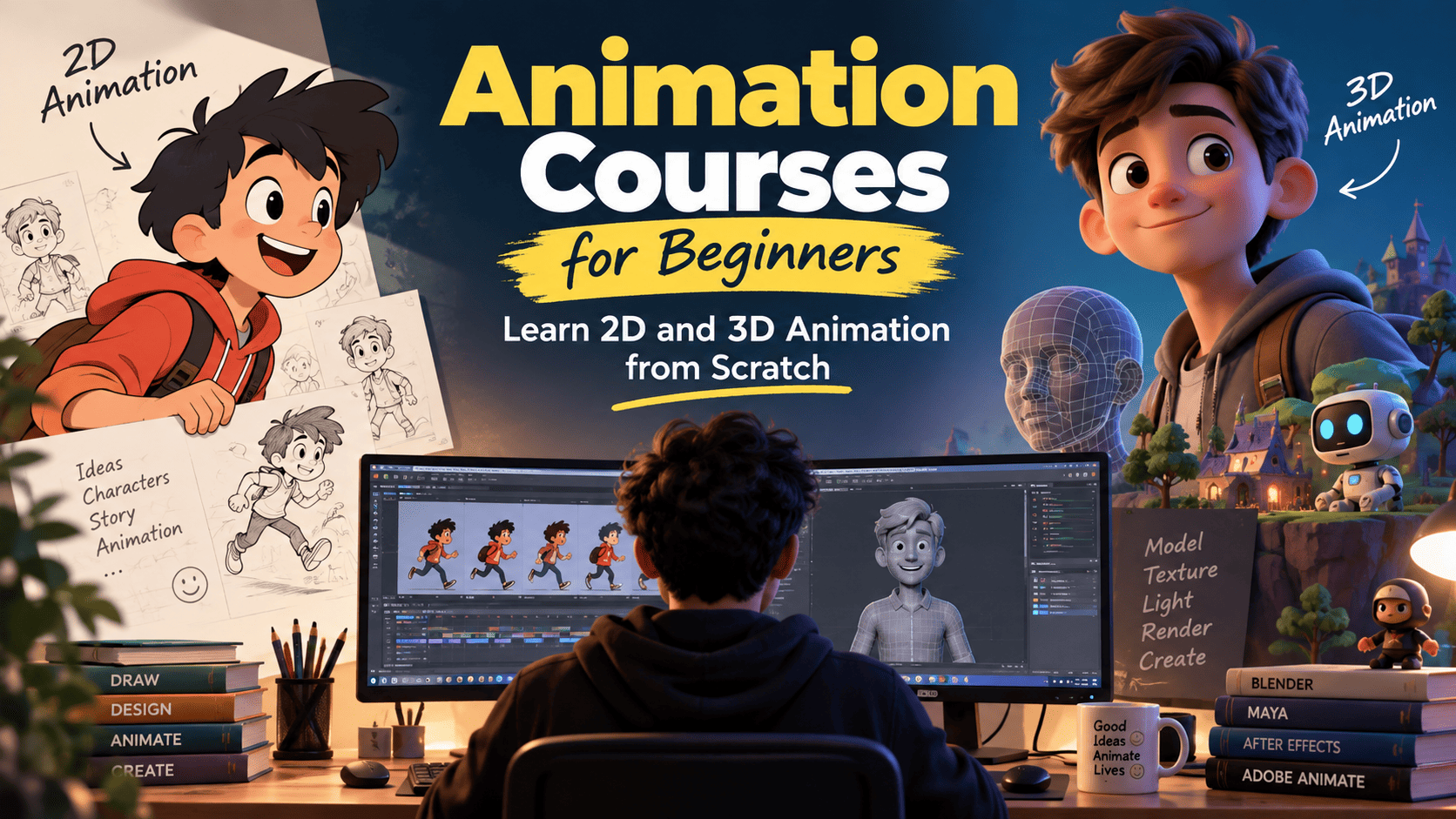
Animation does not mean cartoons alone or TV shows aimed at children. In today’s world, animation can be seen in movies, video games, ads, videos on social networking sites, web design, education, product demonstrations, and in many other areas.
If you love drawing, storytelling, designing characters, or making pictures, then you might find that animation is an interesting field for you to know about. What is great about it is that you do not need to be good at your art form to begin learning animation. You can learn about it gradually using animation classes.
Animation is defined as the method of producing the effect of movement through the sequential display of pictures or frames.
Imagine a basic animated character waving its hand. Rather than drawing just one frame where the character waves its hand, the animator draws several frames where the position of the hand slightly changes. Once these frames are displayed rapidly, the effect of the waving hand is produced.
Animation in the modern world may be done through the use of computer technology.
Before choosing an animation course, it helps to understand the difference between the two main types.
2D animation is created in a two-dimensional space using height and width. Characters, backgrounds and objects are generally designed to have a flat or illustrated appearance.
2D animation is commonly seen in:
Students interested in drawing and illustration may particularly enjoy learning 2D animation.
3D animation adds depth to characters and objects, allowing them to appear more realistic and dimensional.
3D animation is widely used in:
A 3D animator may work with characters, environments, lighting, cameras and digital objects to create complete animated scenes.
The ideal animation course needs to go beyond teaching students about software. It is important that they know how to make movement look natural.
Depending on the course, students may learn:
The actual subject matters may be different depending on the choice of the 2D, 3D or both animation programs.
Animation software can help you animate things, but knowing the principles of animation helps make them believable.
Some important principles include:
Timing: Controls how quickly or slowly an action happens.
Spacing: Determines how objects move between different positions.
Squash and Stretch: Helps show weight, flexibility and impact.
Anticipation: Prepares the viewer for an upcoming action.
Follow Through: Makes movement feel more natural by allowing parts of an object or character to continue moving after the main action.
Learning these fundamentals gives students a strong base before they start working on complex animation projects.
It is possible that animation students use various kinds of software based on the interest of their field.
In case you are a 2D animator or into motion graphics, you might want to try programs like Adobe Animate and Adobe After Effects.
If you are a 3D animator, some programs which can be used are Autodesk Maya and Blender for modeling, animation, lighting, and rendering.
For starters, the best thing to do is not to learn all the software at once.
It is among the most common queries that beginners have.
It will all depend on what kind of animation you would like to specialize in.
Drawing skills may come in handy when it comes to 2D traditional animation, character design and concept art. But you do not necessarily need to be a very good artist to begin learning about animation.
When it comes to 3D animation, for instance, you will be dealing with digital models, rigging, camera work and movement among other things.
What really matters is your passion for practising, observing movement and developing.
There is no set amount of time that is needed in order to learn about animation as everyone learns differently and at their own pace.
The new learner can begin with understanding basics first, learning the software as well as making some easy projects. This will allow them to build up their knowledge and gradually move into character animation, modeling, and effects and much more.
Rather than thinking about how fast you have completed the course, think of what all you have made by doing it.
Animation skills can open doors to several creative career paths.
Depending on your interests and training, you can explore roles such as:
Animation is an occupation that offers a lot of room to animators as they can join animation firms, game companies, advertising companies, production houses, or even go on to become freelancers.
Choosing an animation course is an important decision, especially for beginners.
Before enrolling, check what the course actually teaches. Look for a programme that includes both animation fundamentals and practical projects.
You should also consider:
A course should give you opportunities to practise rather than focusing only on theoretical lessons.
There isn't a one size fits all solution for every student.
For instance, if you love illustration and cartoon style characters and drawing, you could enjoy learning about 2D animation.
However, if you love movies, games, realistic characters, modeling, and digital worlds, then perhaps 3D animation would suit you better.
One option that you can do is learn about both 2D animation and 3D animation, and this will help you understand the animation industry better.
Animation is a mixture of creativity and technology. This allows you to turn your concept into characters, scenes, movies or stories.
As a student, animation can be used to improve your skills in design, narrative and visual communication.
It does not mean that you have to know everything immediately; all you have to do is begin with the basic and practice, along with working on small projects that later form your portfolio.
If you are someone who has always been interested in learning about animation, then taking your time to start off with the basic aspects would be the best way for you to go about doing things. An animation class would allow you to grasp the basic principles, learn the software needed in the industry, as well as get practical training on both 2D and 3D animation.
There are many areas in which one can venture through once they learn animation.
The first step is simple: start learning, keep practising and create something of your own.
Understand the difference between AI and Machine Learning with simple examples. Explore how AI, ML and Generative AI are changing creative industries.
Read Article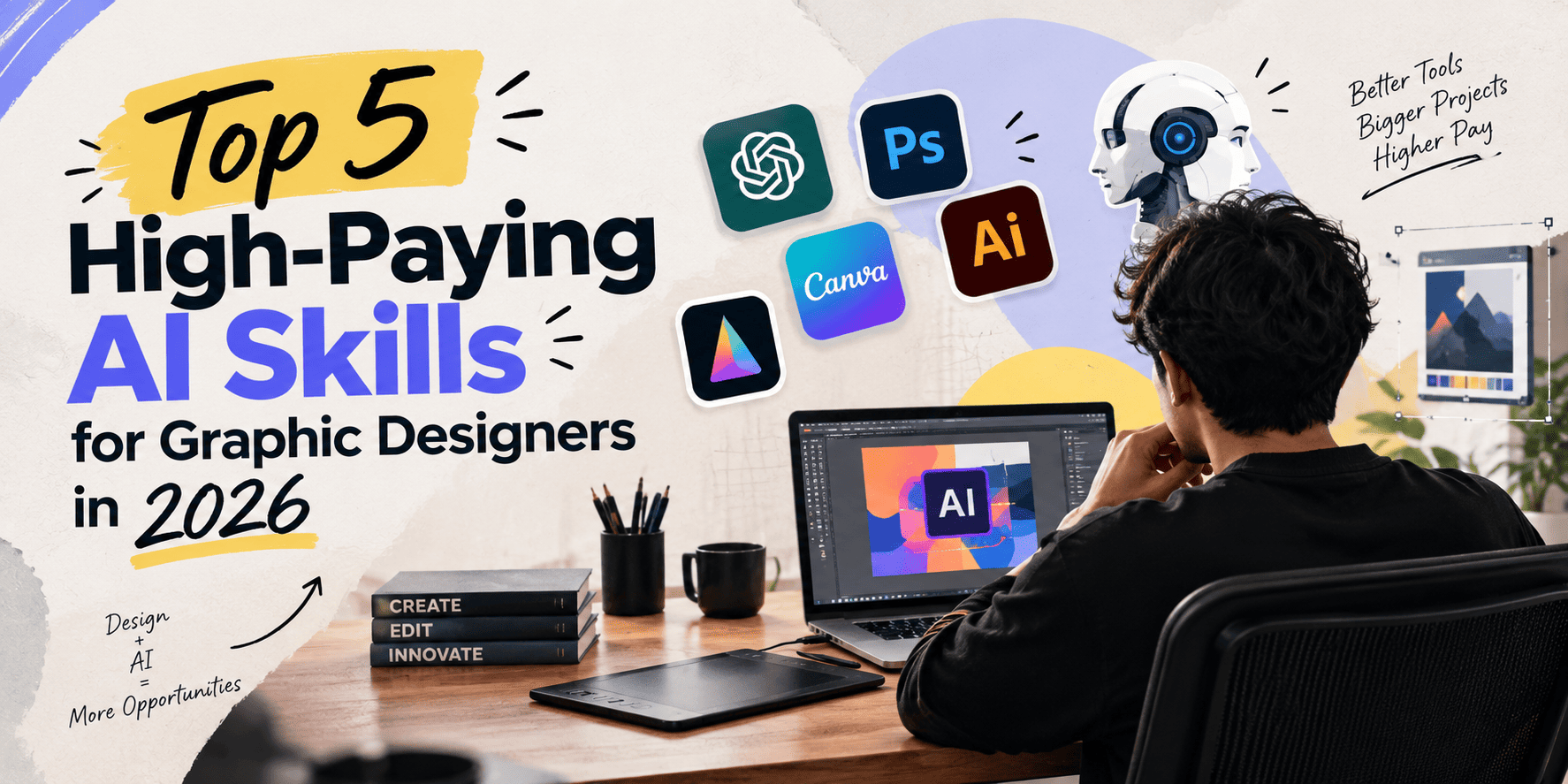
Discover 5 valuable AI skills for graphic designers in 2026, from prompt engineering to AI video creation, and explore a Generative AI course in Ludhiana.
Read Article
Learn how to choose the right digital marketing course in Ludhiana. Compare syllabus, practical training, fees, tools and career opportunities.
Read Article
Explore Generative AI, its applications, essential skills and career options. Learn how to choose a Generative AI course in Ludhiana.
Read Article
Learn what storyboarding in animation is, why it matters, and how storyboards help plan scenes, characters, and camera angles.
Read Article
Discover the top 10 graphic & vector design software for 2026. Learn industry-relevant tools with expert training at Reliance Animation Academy, Ludhiana.
Read Article